What Is a Grocery Store Refrigeration System?
A grocery store refrigeration system refers to the network of equipment designed to keep food products at safe temperatures. These systems include display cases, walk-in coolers, freezers, compressors, condensers, and controls that work together to maintain consistent cooling.
Unlike residential refrigerators, grocery store refrigeration must handle large volumes of products and operate continuously. This requires specialized equipment and professional installation to ensure proper performance. A well-designed system maintains product quality, prevents spoilage, and complies with food safety regulations.
Types of Grocery Store Refrigeration Equipment
Grocery stores rely on various refrigeration units to store and display products. Common types include:
- Open-air display cases for dairy, beverages, and grab-and-go items
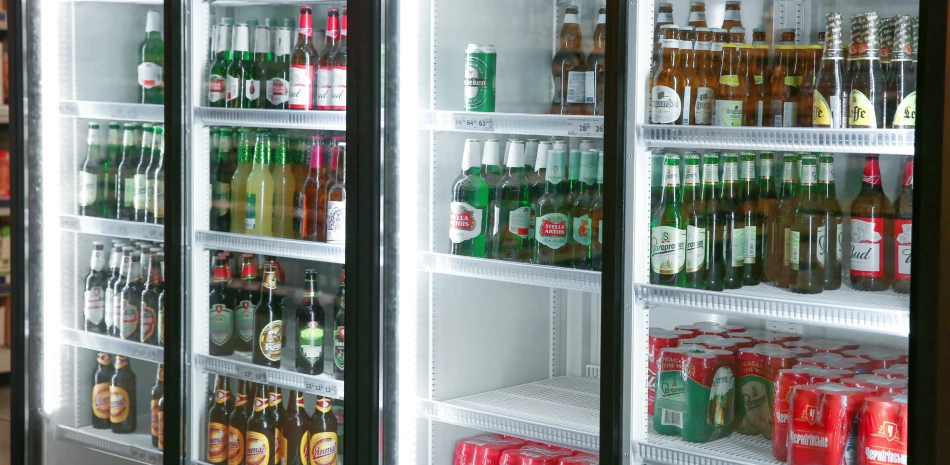
- Glass-door freezers for frozen meals and ice cream
- Walk-in coolers for bulk storage of produce and dairy
- Walk-in freezers for long-term frozen storage
- Deli and meat cases designed for fresh food display
- Reach-in refrigerators for quick access items
Each piece of equipment is connected to the overall grocery store refrigeration system, ensuring consistent temperature control throughout the store.
Grocery Refrigeration Installation: What to Expect
Proper grocery refrigeration installation is critical to system performance and longevity. Installation typically begins with planning and design. A commercial refrigeration contractor evaluates store layout, product types, and cooling requirements to determine the best equipment configuration.
The installation process generally includes:
- Load Calculation: Determining cooling capacity based on store size and product volume
- Equipment Placement: Positioning display cases and storage units for optimal airflow
- Refrigerant Line Installation: Connecting compressors, condensers, and evaporators
- Electrical Connections: Ensuring power supply meets system demands
- System Testing: Verifying temperatures, pressure levels, and performance
Professional grocery refrigeration installation ensures the system operates efficiently from day one and prevents costly issues later.
The Role of a Commercial Refrigeration Contractor
Working with an experienced commercial refrigeration contractor is essential for both installation and ongoing maintenance. Contractors bring expertise in system design, code compliance, and troubleshooting.
A commercial refrigeration contractor typically provides:
- System design and planning
- Equipment installation
- Routine maintenance services
- Emergency repair support
- Energy efficiency upgrades
Partnering with professionals helps grocery stores avoid downtime and maintain consistent cooling performance.
Maintenance for Grocery Store Refrigeration Systems
Regular maintenance is key to keeping a grocery store refrigeration system running efficiently. Without proper upkeep, systems can experience temperature fluctuations, higher energy costs, and equipment failure.
Important maintenance tasks include:
- Cleaning condenser coils to improve airflow
- Checking refrigerant levels
- Inspecting door seals and gaskets
- Monitoring temperature controls
- Clearing drain lines to prevent blockages
- Testing compressors and fans
Routine maintenance reduces the risk of unexpected breakdowns and extends equipment lifespan.
Common Issues in Grocery Store Refrigeration
Even well-maintained systems can encounter problems. Common issues include:
- Temperature fluctuations due to faulty sensors
- Ice buildup caused by improper defrost cycles
- Refrigerant leaks reducing cooling efficiency
- Compressor failure leading to system shutdown
- Poor airflow from blocked vents or dirty coils
Addressing these issues quickly helps prevent product loss and ensures safe food storage.
Energy Efficiency in Commercial Refrigeration for Grocery Stores
Energy consumption is one of the largest operational expenses for grocery stores. Commercial refrigeration for grocery stores can account for a significant portion of energy use. Improving efficiency reduces costs and supports sustainability goals.
Energy-saving strategies include:
- Installing LED lighting in display cases
- Using energy-efficient compressors
- Maintaining proper door seals
- Implementing night curtains for open cases
- Regularly cleaning condenser coils
- Upgrading to smart temperature controls
Modern grocery store refrigeration systems often include advanced controls that optimize cooling based on demand, reducing unnecessary energy use.
Choosing the Right Refrigeration System
Selecting the right grocery store refrigeration system depends on several factors:
- Store size and layout
- Product variety and storage needs
- Energy efficiency goals
- Budget considerations
- Future expansion plans
Consulting with a commercial refrigeration contractor ensures the chosen system meets operational requirements and long-term goals.
Benefits of Proper Refrigeration Installation and Maintenance
Investing in professional grocery refrigeration installation and maintenance offers several advantages:
- Improved food safety and compliance
- Reduced product spoilage
- Lower energy costs
- Extended equipment lifespan
- Better customer experience
- Reliable store operations
These benefits highlight the importance of maintaining an efficient grocery store refrigeration system.
Technology Trends in Grocery Store Refrigeration
New technologies are transforming grocery refrigeration systems. Innovations include:
- Smart monitoring systems with remote alerts
- Variable-speed compressors for energy savings
- Environmentally friendly refrigerants
- Glass doors for open display cases
- Heat recovery systems for store heating
These advancements help stores improve efficiency while maintaining product quality.
Conclusion
A well-designed grocery store refrigeration system is essential for keeping products fresh, safe, and appealing to customers. From grocery refrigeration installation to routine maintenance and energy efficiency upgrades, every step plays a role in reliable performance. Working with a qualified commercial refrigeration contractor ensures systems are installed correctly and maintained for long-term success. By understanding how commercial refrigeration for grocery stores works, store owners and managers can reduce costs, improve efficiency, and create a better shopping experience.