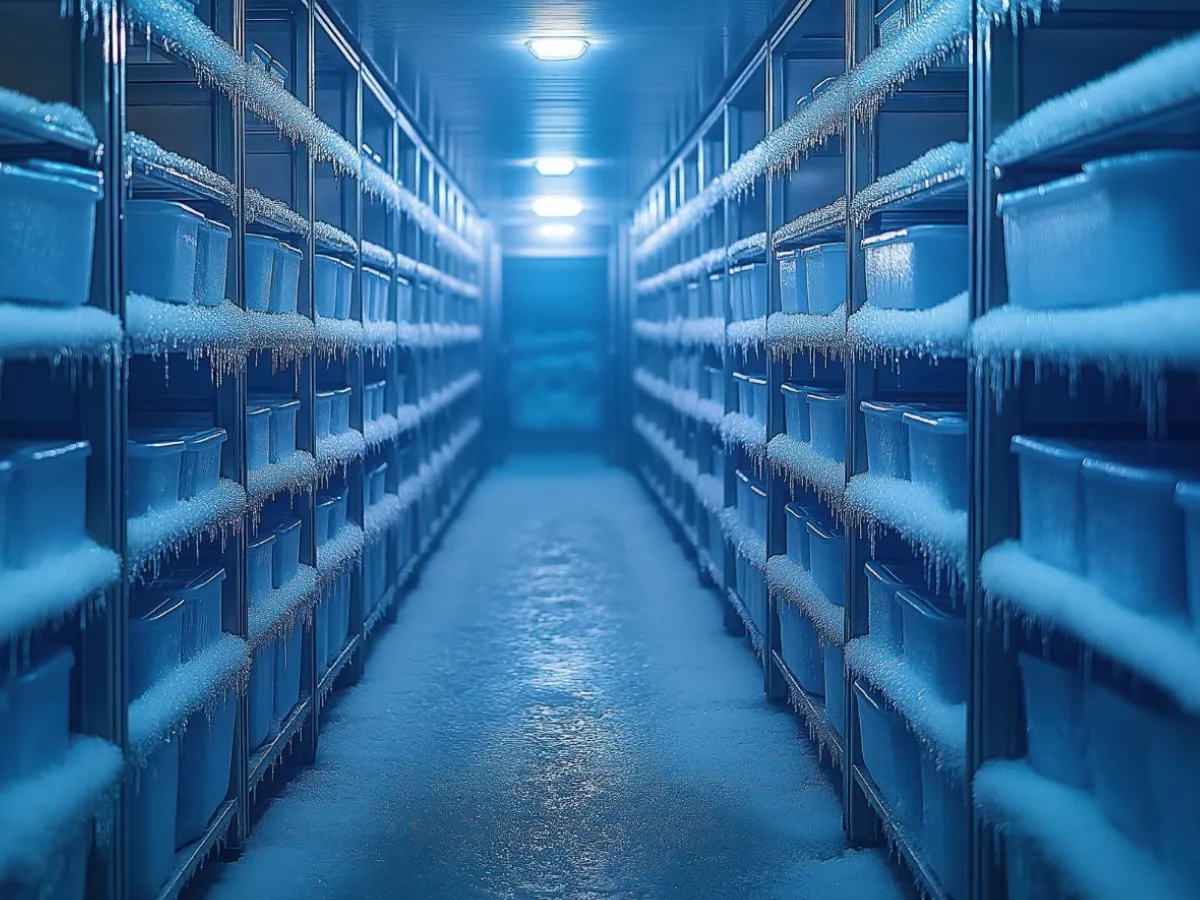
Understanding Cold Storage Warehouse Construction
Cold storage warehouse construction focuses on creating buildings that maintain controlled temperatures around the clock. These facilities are designed to store frozen, chilled, or temperature-sensitive goods without fluctuation. Unlike standard warehouses, cold storage buildings require specialized insulation, refrigeration systems, and moisture control strategies.
Cold storage facilities are used in food distribution, grocery supply chains, food warehouses, and manufacturing environments. Each application has different temperature requirements, storage densities, and operational demands. That is why cold storage facility construction must be tailored to the exact use of the building rather than treated as a generic warehouse project.
Planning a Cold Storage Facility the Right Way
Successful cold storage warehouse construction starts with planning. Early decisions affect cost, performance, and long-term usability. Planning also reduces unexpected delays during the build.
Defining Storage Requirements
Every project begins with understanding what will be stored. Frozen goods require deeper insulation and lower operating temperatures than chilled products. Storage volume, pallet count, and product turnover rates all influence building size and layout.
Planning for future growth is also important. Many facilities outgrow their original footprint. Designing flexibility into the layout helps avoid expensive expansions later in the life of the building.
Site Selection and Location Factors
Location affects energy usage, logistics, and regulatory compliance. Cold storage warehouse construction benefits from access to reliable utilities, transportation routes, and sufficient electrical capacity. Zoning laws and local building codes must also be reviewed early to prevent permitting issues.
Poor site selection increases operating costs over time. Strategic placement improves efficiency and daily workflow.
Budget and Timeline Considerations
Cold storage facility construction requires a higher upfront investment than traditional warehouses. Insulated panels, refrigeration systems, and specialized labor all contribute to cost. Timelines vary based on facility size and complexity, with many projects ranging from several months to over a year.
Accurate budgeting during the planning stage helps control spending and limits change orders during construction.
Designing an Efficient Cold Storage Layout
Layout design plays a major role in how well a facility operates. Efficient layouts reduce product handling, improve safety, and lower energy usage.
Traffic Flow and Product Movement
Cold storage warehouse construction should support smooth product movement from receiving to storage and shipping. Clear traffic paths reduce door openings and prevent temperature loss. Separating dock areas from frozen or chilled zones improves temperature stability.
Efficient flow also reduces labor time and equipment congestion inside the facility.
Ceiling Height and Storage Density
Vertical storage increases capacity without expanding the building footprint. Higher ceilings allow more pallet positions and improve airflow when paired with the right refrigeration design. Ceiling height must be coordinated with racking systems and refrigeration capacity to avoid uneven temperature zones.
This balance is critical in refrigerated warehouse construction where airflow consistency is essential.
Zoning for Temperature Control
Many facilities require multiple temperature zones. Freezer areas, cooler areas, and loading zones must be separated and properly sealed. Each zone needs insulation thickness and refrigeration capacity matched to its temperature range.
Good zoning improves energy efficiency and protects stored goods from temperature swings.
Materials Used in Cold Storage Warehouse Construction
Materials determine durability and energy performance. Cutting corners here leads to higher operating costs later.
Insulated Wall and Ceiling Panels
Insulated panels are the backbone of commercial cold storage construction. These panels limit heat transfer and help maintain stable interior temperatures. Panel thickness varies based on whether the space is frozen or refrigerated.
Freezer warehouse construction requires thicker insulation than cooler spaces to prevent frost buildup and energy loss.
Flooring Systems for Cold Environments
Cold storage floors must handle heavy loads and extreme temperatures. Proper vapor barriers and insulated subfloors prevent frost heave and structural damage. Durable concrete finishes improve safety and longevity.
Ignoring flooring design leads to cracks, moisture issues, and downtime.
Doors, Seals, and Openings
Doors are one of the biggest sources of temperature loss. High-speed doors, tight seals, and automatic closing systems reduce air exchange. Proper door placement also improves traffic flow and limits unnecessary exposure to warmer air.
Refrigeration Systems and Equipment Selection
Refrigeration systems are central to cold storage warehouse construction. The right system supports consistent temperatures and manageable energy use.
Common Refrigeration System Types
Facilities may use centralized systems, distributed systems, or parallel rack systems. Large-scale operations often rely on parallel racks for capacity and redundancy. System selection depends on facility size, temperature range, and operational demands.
These systems are commonly installed as part of commercial refrigeration installation projects.
Energy Efficiency and Control Systems
Energy consumption represents a major operating cost. Modern refrigeration systems use variable speed compressors, smart controls, and monitoring tools to reduce waste. These features allow operators to track performance and identify issues early.
Efficiency is a priority in both refrigerated warehouse construction and freezer warehouse construction.
Backup Systems and Reliability Planning
Refrigeration failures can lead to product loss. Redundant compressors, backup power, and alarm systems help prevent costly downtime. Planning for reliability protects inventory and daily operations.
Safety and Regulatory Requirements
Cold storage warehouse construction must meet strict safety and regulatory standards.
Food Safety Compliance
Facilities storing food must follow FDA, USDA, and local health guidelines. Temperature consistency, sanitation practices, and proper airflow are required to maintain compliance.
Designing for compliance reduces inspection issues and operational risk.
Worker Safety in Cold Environments
Cold environments create physical strain. Adequate lighting, anti-slip flooring, and safe exit paths are essential. Proper safety design supports productivity and reduces workplace incidents.
Building Codes and Inspections
Fire suppression systems, electrical layouts, and structural components must meet local codes. Addressing these requirements early prevents delays during inspections and final approvals.
Managing Costs in Cold Storage Facility Construction
Cost control depends on planning and material selection.
Major Cost Drivers
The largest expenses include insulated panels, refrigeration equipment, electrical systems, and skilled labor. Accurate design reduces unexpected changes during construction.
Long-Term Operating Costs
Operating costs often exceed construction costs over time. Energy-efficient systems, durable materials, and smart layouts reduce long-term expenses. Investing wisely during construction pays off for years.
Operational Planning After Construction
Cold storage warehouse construction does not end when the building is complete.
Maintenance Planning
Routine inspections and scheduled maintenance keep systems running reliably. Monitoring refrigeration equipment and door seals helps prevent failures and extends system life.
Automation and Monitoring
Modern cold storage facilities rely on automated monitoring systems. These tools track temperatures, alert staff to issues, and support consistent operations. Automation is now standard in freezer warehouse construction.
Preparing for Growth
Facilities often expand as demand increases. Designing extra capacity into electrical systems and refrigeration layouts makes future expansion easier and less disruptive.
Connecting Cold Storage to Other Refrigeration Systems
Cold storage facilities often integrate with other systems such as grocery store refrigeration and walk-in freezers. Coordinated design improves workflow from storage to distribution.
These connections are common in projects involving grocery store refrigeration and walk-in freezer installation.
Final Thoughts on Cold Storage Warehouse Construction
Cold storage warehouse construction requires careful coordination of planning, design, materials, and refrigeration systems. When done correctly, it supports efficient operations, protects inventory, and controls long-term costs. Whether the goal is refrigerated warehouse construction, freezer warehouse construction, or commercial cold storage construction, success depends on thoughtful decisions at every stage.
How A, R & C Specialists Can Help
At A, R & C Specialists, we support cold storage warehouse construction through reliable refrigeration design and installation backed by over 50 years of combined experience. We handle commercial refrigeration installation, grocery store refrigeration, walk-in freezer installation, and freezer warehouse systems with 24/7 availability. Our team focuses on durable builds, efficient systems, and consistent results that clients can depend on. Call (256) 708-8617 to discuss your cold storage project today.